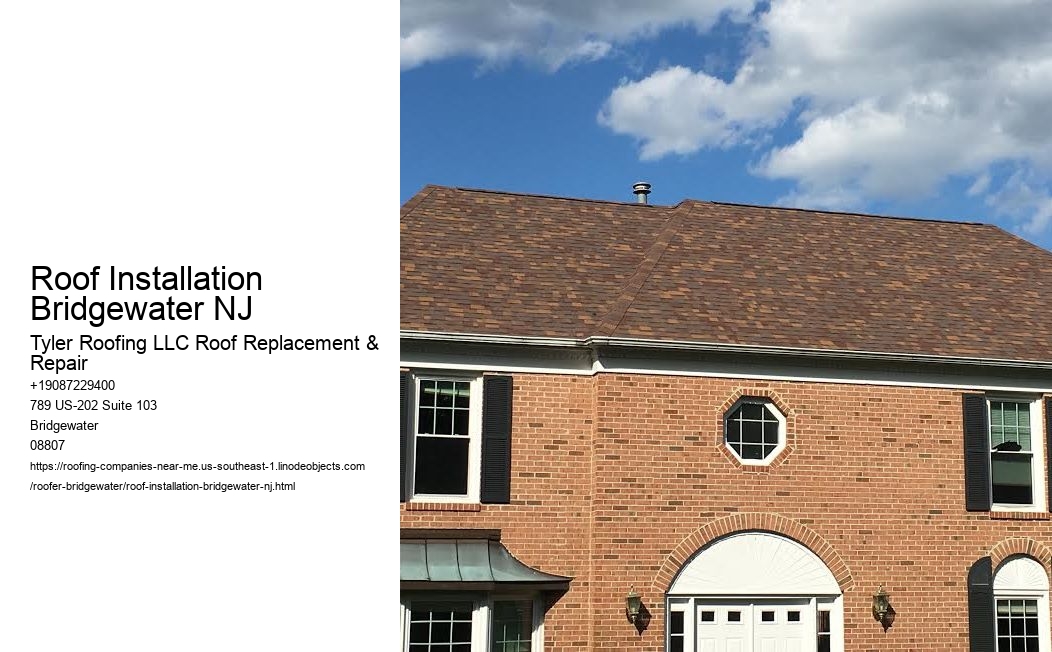
Roof Installation in Bridgewater, NJ: What Homeowners Should Know
If you live in Bridgewater, New Jersey, your roof does more than cap your home-it stands between your family and a climate that can swing from humid summer heat to winter ice, plus the occasional nor'easter or tropical remnant. A solid, well-installed roof is a long-term investment in comfort, safety, and property value. Here's a practical guide to roof installation in Bridgewater, written from a homeowner's perspective and tailored to the conditions and rules you'll encounter in Somerset County.
Why local conditions matter
Bridgewater sits in a region that sees freeze–thaw cycles, heavy rain events, high winds during storms, and periodic hail. That mix stresses shingles, flashing, and decking. In neighborhoods like Martinsville, where homes perch on the Watchung slopes, wind exposure can be higher than in low-lying areas like Finderne or near the Raritan River. Snow can drift differently on hilltops than on the flats. All of that should influence the choices you make in materials, wind ratings, ventilation, and ice-dam prevention.
Material choices that make sense here
- Architectural asphalt shingles: The most common choice for Bridgewater homes because they balance cost, durability, and curb appeal. Look for shingles with a 130 mph wind rating and algae resistance. Heavier “architectural” or “laminate” shingles outperform basic three-tabs in both wind and lifespan.
- Metal roofing: Standing seam or metal shingles shed snow easily and handle wind well. Upfront cost is higher, but lifespan can be two to three times that of asphalt. Great for contemporary designs or homes looking to minimize future maintenance.
- Cedar or composite shakes: Attractive on certain styles, but cedar needs diligent maintenance in our humid summers, and some HOAs may have restrictions. High-quality composites can mimic the look with less upkeep.
- Flat and low-slope systems (EPDM, TPO, PVC): More relevant to additions and commercial buildings around Route 22 or near Somerville Circle, these membranes handle low pitch better than shingles.
No matter the system, confirm compatibility with your home's pitch and architectural style, and make sure you're getting components that work together: underlayments, starters, ridge caps, and ventilation pieces designed as a system by the manufacturer.

Permits, codes, and inspections
Bridgewater Township operates under the New Jersey Uniform Construction Code. For a roof replacement that involves a tear-off and new underlayment, a building permit is typically required. Simple overlays (adding a second layer) might not require as much paperwork, but most reputable contractors will recommend a full tear-off here because:
- It allows inspection of the sheathing for rot or delamination.
- It improves fastener holding power and wind resistance.
- It helps correct past ventilation mistakes and prevents trapped moisture.
Expect at least one inspection-often after the roof is dried-in (underlayment and ice barrier installed) and/or at completion. Check with the Bridgewater Construction Office for current fees and lead times. If a dumpster needs to sit on the street, you may need a separate permit or permission.
Details that matter in New Jersey
- Ice and water barrier: Install from the eaves to at least 24 inches inside the warm wall line to prevent ice dams-nonnegotiable in our region. Valleys and penetrations (chimneys, skylights, vents) also deserve this protection.
- Drip edge: Required at eaves and rakes to manage water runoff and protect the deck edge.
- Flashing: Chimneys in older Bridgewater colonials often need new step flashing and counterflashing, not just sealing over the old metal. Skylights should get manufacturer-specific flashing kits.
- Ventilation: Target a balanced system of intake (soffit) and exhaust (ridge) vents. The common rule of thumb is 1 square foot of net free vent area for every 150 square feet of attic floor (or 1:300 with a qualifying balanced system). Roof Repair Bridgewater NJ . Good airflow reduces ice dams and prolongs shingle life.
- Fastening and wind: Ask for shingles tested to current wind standards and installed per manufacturer specs-six nails per shingle where required, plus proper starter courses.
What to expect during installation
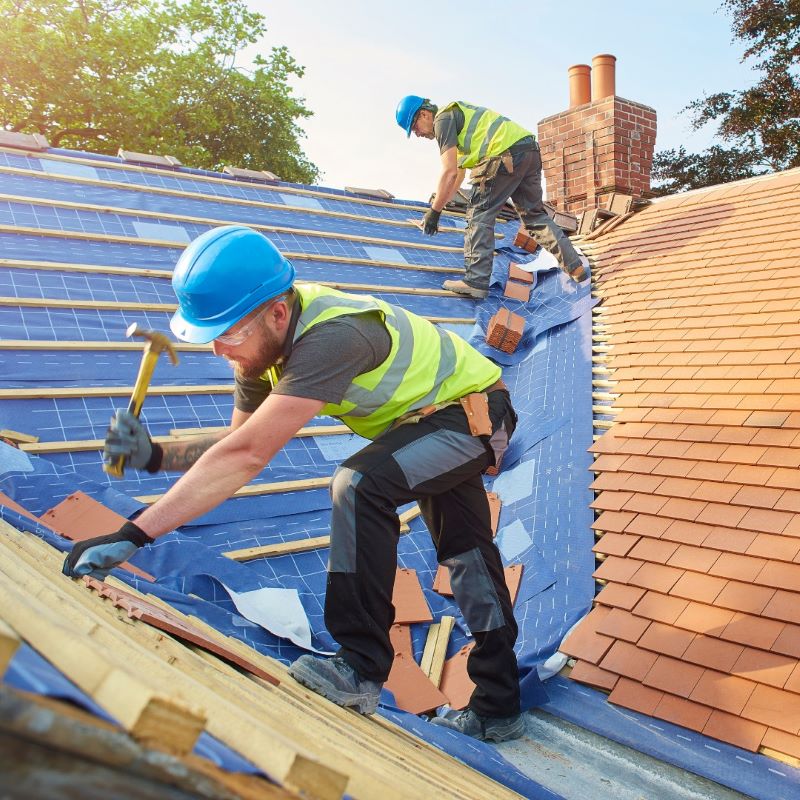
A typical single-family roof replacement takes one to three days of on-site work, more if you have a complex design, multiple layers to remove, or significant sheathing replacement. A thorough contractor will:
1) Protect landscaping and siding with tarps and plywood.
2) Remove old layers down to the deck; replace soft or rotted plywood.
3) Install ice/water shield at eaves, valleys, and penetrations; synthetic underlayment elsewhere.
4) Add drip edge, starter shingles, and then field shingles with proper nailing patterns.
5) Install or upgrade ventilation (soffit baffles, ridge vent).
6) Reflash chimneys and skylights; seal all penetrations.
7) Cap ridges and perform a magnet sweep for nails; haul away debris.
If you're pairing the roof job with new gutters, this is the time to size them correctly. Many Bridgewater homes benefit from upsizing to 6-inch K-style gutters and ensuring downspouts discharge away from foundations-especially important in areas that saw flooding during recent extreme rain events.
Seasonality and timing
Spring through fall is prime roofing season. Summer heat can soften asphalt, making sealing quick; spring and fall offer comfortable working conditions and fewer pop-up thunderstorms. Winter installs are possible with the right adhesives and hand-sealing techniques, but they require a seasoned crew and often more time. Plan around nor'easter season and be flexible; a good roofer won't rush a job into incoming wind and rain.
Costs to budget for
Prices vary with roof size, pitch, access, and material. As a broad 2025 snapshot for Bridgewater:
- Architectural asphalt shingles: roughly $550 to $1,000 per square (100 square feet) for a full tear-off and replacement. A 25-square roof might land around $13,750 to $25,000.
- Metal roofing: often $1,000 to $2,000+ per square, depending on profile and details.
- Flat/low-slope membranes: commonly in the $700 to $1,200 per square range.
New Roof Installation Bridgewater NJ
Get at least three detailed proposals. Each should spell out tear-off, sheathing replacement policy (per sheet pricing), underlayment brands, ventilation plan, flashing methods, and cleanup. Beware of low bids that skip essential components like ice barrier or new flashing.
Choosing the right contractor
In New Jersey, roofers should be registered as Home Improvement Contractors with the state, carry general liability and workers' comp insurance, and be willing to provide certificates upon request. Look for:
- Manufacturer certifications such as GAF Master Elite, CertainTeed Select ShingleMaster, or Owens Corning Platinum, which can unlock enhanced warranties.
- Local references in neighborhoods like Bradley Gardens or Green Knoll.
- Detailed scope of work and a clear workmanship warranty (5–10 years is common).
- On-site supervision and documented safety practices.
Don't pay in full up front. A deposit, progress payment upon delivery of materials, and balance after final inspection is more typical.
Warranties and long-term value
Most premium shingles come with “limited lifetime” manufacturer warranties, but the fine print matters. Enhanced warranties often require an accredited installer and a full-system install using the manufacturer's underlayment, starters, and vents. Keep your proof of purchase and registration documents. Ask about transferable warranties if you might sell within ten years.
Energy and resilience upgrades worth considering
- Cool or solar-reflective shingles can reduce attic temperatures in humid summers.
- Proper attic insulation and air sealing (often eligible for New Jersey Clean Energy incentives when bundled with energy audits) work hand-in-hand with ventilation to reduce ice dams and energy costs.
- Class 4 impact-rated shingles can add resilience against hail; ask your insurer if there's a discount.
- Skylight upgrades with laminated, low-E glass can bring in light while improving efficiency.
- If you're considering solar, discuss mounting points and layout with both your roofer and a solar installer before the roof goes on.
Homeowners' associations and curb appeal
Some Bridgewater communities have exterior guidelines. Before you choose color or material, check HOA rules to avoid delays. Architectural shingles in neutral tones tend to complement the colonial and split-level styles common in the township and show well in the local real estate market.
Insurance and storm damage
If a storm damages your roof, start with a professional inspection and clear photos. File promptly with your insurer and be cautious of door-to-door solicitors. Bridgewater Roofing and Repair Services Involve a reputable local contractor who can meet an adjuster on site and speak to code requirements like ice barrier and drip edge that must be part of any proper replacement.
A final word
A quality roof installation in Bridgewater, NJ, is equal parts good materials, good workmanship, and respect for local conditions and codes. Take time to plan, choose a contractor with a strong local track record, and insist on the details-ice barrier, ventilation, proper flashing-that make roofs last in our climate. Done right, your new roof will handle the next nor'easter, keep your attic dry and temperate, and look great from the curb for decades.
We fix roofs faster than you can say New Jersey weather.


